
How Green Building Certifications Are Evolving with Climate Change

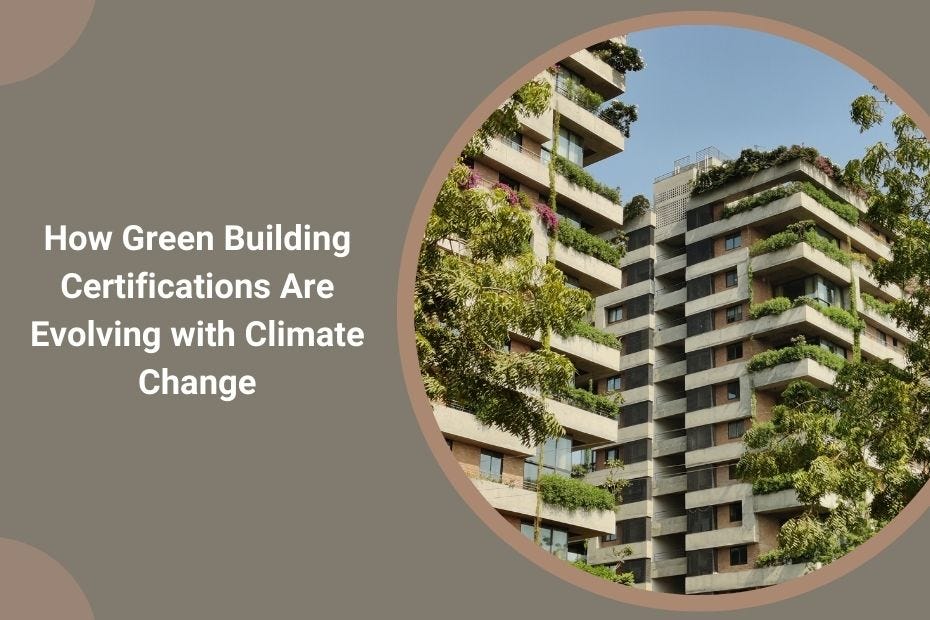
As someone who has closely worked with green building standards and sustainable construction practices, I’ve seen firsthand how green building certifications are adapting to address the challenges posed by climate change. These certifications, once primarily focused on energy efficiency, have expanded to include resilience, decarbonization, and social equity. This evolution reflects the growing urgency to align the built environment with global climate goals. In this article, I’ll discuss how these standards are changing, the reasons behind these shifts, and what it means for the future of sustainable construction.
A Stronger Emphasis on Decarbonization
One of the most significant changes in green building certifications is the heightened focus on reducing carbon emissions. The latest iteration of the Leadership in Energy and Environmen
tal Design (LEED v5) dedicates nearly half of its points to decarbonization efforts. This includes measures like renewable energy adoption, carbon-neutral building materials, and low-carbon construction methods.
This shift acknowledges that operational energy use is no longer the sole contributor to a building’s carbon footprint. Certifications are now addressing embodied carbon—the emissions associated with producing building materials and construction processes. For example, encouraging the use of recycled steel, sustainably sourced timber, or low-carbon concrete is becoming standard in certification requirements.
Integrating Climate Resilience
Climate resilience is becoming a cornerstone of modern green building certifications. As climate change drives more frequent and severe weather events, buildings must be designed to withstand these challenges. Certifications like LEED and BREEAM are introducing new prerequisites for climate risk assessments and resilience strategies.
For instance, LEED v5 includes requirements for projects to evaluate risks like flooding, heatwaves, and hurricanes during the planning stages. This ensures that buildings are not just energy-efficient but also capable of enduring extreme conditions while maintaining functionality. In coastal areas, for example, these measures might include elevated construction or stormwater management systems to combat rising sea levels and storm surges.
Recognizing the Importance of Embodied Carbon
Until recently, green building certifications primarily focused on operational emissions—those produced during a building’s use phase. However, embodied carbon has gained prominence due to its significant contribution to a building’s overall carbon footprint. This includes emissions from material extraction, manufacturing, transportation, and construction.
BREEAM Version 7, for example, now emphasizes reducing embodied carbon by awarding points for using sustainable materials, efficient supply chains, and modular construction techniques. This approach encourages builders to prioritize materials with lower environmental impacts, such as mass timber, which stores carbon, or recycled concrete.
Social Equity and Health Take Center Stage
Green building certifications are expanding their scope to address social and health factors. The WELL Building Standard and the latest LEED guidelines emphasize designing spaces that enhance occupant well-being while promoting inclusivity. These certifications are incorporating metrics that evaluate indoor air quality, access to natural light, and communal spaces that foster collaboration.
Additionally, certifications are beginning to integrate social equity considerations. For instance, LEED now includes credits for projects that address community needs, create affordable housing, or engage with underserved populations. This evolution ensures that sustainability is not just about environmental impact but also about improving quality of life for all.
Transitioning to Performance-Based Metrics
Traditionally, certifications have focused on a building’s design and construction. However, there’s a growing shift toward performance-based metrics, where the building’s actual operation is assessed over time. Programs like NABERS (National Australian Built Environment Rating System) require annual evaluations to measure energy use, water consumption, and occupant comfort.
This shift ensures that green certifications are not merely a one-time achievement but an ongoing commitment. By monitoring performance, building owners and operators can identify areas for improvement and maintain their sustainability goals throughout the building’s lifecycle.
Stricter Standards and Updates
To keep up with the urgency of climate change, green building certifications are continuously raising the bar. Both LEED and BREEAM have announced updates to their standards, set to take effect by 2025, which include stricter requirements for energy efficiency, water conservation, and sustainable material sourcing.
These updates aim to push the construction industry toward greener practices and higher levels of accountability. For example, projects aiming for higher certification levels must demonstrate measurable reductions in carbon emissions and resource use. By setting these ambitious benchmarks, certifications are driving innovation in sustainable design and construction.
Leveraging Technology for Sustainability
Technology is playing a pivotal role in the evolution of green building certifications. Tools like energy modeling software, carbon tracking platforms, and AI-driven analytics are enabling architects, engineers, and builders to optimize designs for sustainability.
For instance, CarbonTool allows users to calculate a building’s carbon footprint across its lifecycle, identifying opportunities for improvement. Similarly, advanced building management systems (BMS) enable real-time monitoring of energy use and environmental conditions, ensuring that certified buildings perform as intended.
How Are Green Building Certifications Adapting to Climate Change?
Focus on decarbonization and embodied carbon.
Emphasize climate resilience and risk assessments.
Integrate social equity and occupant health metrics.
Transition to performance-based evaluations.
Leverage technology for better energy and carbon tracking.
In Conclusion
Green building certifications are evolving to meet the demands of a changing climate. By prioritizing decarbonization, resilience, and social equity, these certifications are pushing the construction industry toward a more sustainable future. Whether it’s addressing embodied carbon, enhancing occupant well-being, or leveraging cutting-edge technology, these changes reflect a growing commitment to creating buildings that are environmentally responsible and resilient and inclusive. For professionals in the field, staying ahead of these changes is essential to remain competitive and contribute meaningfully to the fight against climate change.